

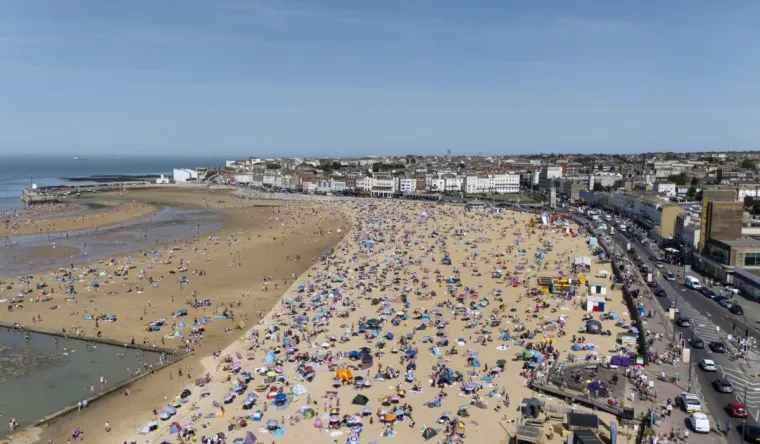
Updated: 24 June 2026. Heatwave and service information can change quickly. Readers should check official live updates before travelling, planning school arrangements, using water differently, or entering open water.
Kent heatwave disruption is not just a matter of hot afternoons and uncomfortable journeys. When temperatures rise sharply, several local systems can come under pressure at the same time: rail services may warn of disruption, water demand can spike, schools and councils may review arrangements, and emergency services can face added risks around beaches, rivers and reservoirs.
Recent reporting has highlighted how these pressures can overlap. The BBC reported significant water supply disruption in Kent during hot weather, with South East Water saying that thousands of people were affected. Local reporting has also warned that further very high temperatures could test public services, train operators and local infrastructure.
This article brings the main issues together in one practical guide. It distinguishes between reported disruption, possible heat-related disruption and the live updates readers should check before making decisions.
Why heat can disrupt several services at once
A heatwave affects more than one part of daily life. It changes how people travel, how much water households and businesses use, how schools manage buildings, and how public services respond to risk.
In water networks, hot weather can increase demand as more people use water simultaneously. If demand rises sharply, some areas can experience low pressure or outages. In transport, operators may prepare for disruption because very hot conditions can affect timetables, maintenance checks and the safe running of services. In schools, leaders may review classroom temperatures and communicate any changes directly to families.
The result is a smaller margin for error. A service that works normally in mild weather may struggle when demand is unusually high, staff are dealing with more incidents, and residents are trying to change plans at short notice.
Water demand: what has been reported in Kent
The clearest reported local impact has been on water supplies. The BBC reported that residents in Kent experienced significant disruption after increased demand during hot weather. According to the report, South East Water said that by Thursday, 22,000 people faced issues, including 8,000 customers in Whitstable without water, while others had low pressure.
The BBC also reported that South East Water was delivering bottled water to vulnerable people. The disruption affected residents and businesses, with the BBC citing local firms whose operations were interrupted by water supply problems.
The practical point for readers is that water disruption during heat is often about demand as well as supply. When many households and businesses use more water at the same time, pressure can build up in parts of the network. That can mean weak flow from taps, intermittent supply or no water in the worst-affected areas.
If your home or business is affected, check South East Water’s live incident information and follow its instructions on bottled water arrangements, priority support, and conservation requests. The BBC report also underlined that vulnerable customers were a particular focus for bottled-water deliveries.
Rail warnings and hot-weather travel
Rail disruption is another common concern during extreme heat. Local reporting has said councils and train operators were preparing for possible service disruption as Kent faced very high temperatures.
For passengers, the important distinction is between a warning and a confirmed cancellation. A hot-weather warning does not necessarily mean every journey will be affected, but it does mean travellers should allow more time and check live departure information before leaving.
Heat can make the rail network less resilient because operators may need to manage services cautiously in very hot conditions. Where warnings are in force, disruption can include delays, amended services or crowding if passengers change travel times. Readers should check National Rail Enquiries and the relevant train operator before travelling, rather than relying on earlier screenshots or social media posts.
Schools and public services: what families should expect
Schools and public services are also part of the wider heatwave picture. Local reporting has said schools were monitoring conditions as very high temperatures were forecast. That does not mean every school will close, finish early or change its timetable. Decisions are usually made locally and communicated through each school’s normal channels.
Parents and carers should therefore check messages from their child’s school, including emails, text alerts, school apps and website notices. Local authority pages may also carry wider service updates, but school-specific decisions are usually sent directly to families.
Councils and other public services may also need to adjust operations during extreme heat. Local reporting has referred to pressure on public services, with emergency services alert to risks including fires and safety incidents at beaches. Readers should check Kent County Council and district or borough council updates for any local changes to services such as waste collections, libraries, leisure centres or community facilities.
Open-water risks and concerns after fatalities
Open-water safety becomes a particular concern during hot weather because more people are drawn to beaches, rivers, lakes and reservoirs and are supplied with reports on the wider heatwave, including safety warnings about swimming in open water following recent drowning incidents. The accessible local sources provided for this article do not verify the details of those fatalities in Kent, so this article does not name individuals or give unsupported incident details.
The concern is clear, however: high temperatures can encourage people to enter water that may still be cold, deep, fast-moving or affected by hidden hazards. Beaches and inland water sites can also become busier, increasing the number of incidents emergency services may need to handle.
Readers should follow advice from local authorities, emergency services, lifeguards and site operators. If an area is closed, restricted, or unsupervised, do not treat hot weather as a reason to ignore warnings. In case of immediate danger, use emergency services rather than social media appeals.
Reported disruption versus possible disruption
It is useful to separate what has already been reported from what may happen if heat intensifies.
| Area | What has been reported | What readers should check live |
|---|---|---|
| Water supplies | The BBC reported that thousands were affected by a South East Water supply disruption in Kent during the hot weather, including outages and low pressure. | South East Water incident updates, bottled-water information and priority-customer support. |
| Rail | Local reporting said train operators were preparing for possible disruption during very high temperatures. | National Rail Enquiries and individual train operator service updates before travelling. |
| Schools | Local reporting said schools were monitoring conditions. | Direct school messages, school websites and local authority updates. |
| Public services | Local reporting said public services could come under pressure during extreme heat. | Kent County Council and district or borough council service pages. |
| Open water | Supplied wider heatwave reporting referred to warnings after recent drowning incidents. | Local authority, emergency service, lifeguard and site-specific warnings. |
Where to check live updates
For practical decisions, live official updates matter more than old reports. Check these sources before acting:
- Weather warnings: the Met Office UK weather warnings.
- Heat-health alerts: the UKHSA and Met Office heat-health alerts.
- Water supply incidents: South East Water customer updates and incident information.
- Rail services: National Rail Enquiries and the relevant train operator’s live service page.
- County services: Kent County Council updates.
- Local services: your district or borough council website for waste, leisure, local closures and community facilities.
- Schools: direct messages from the school, including email, text systems, apps and website notices.
Why this matters
Kent’s recent heat-related disruption shows why extreme weather is a public-service issue as well as a weather story. Water networks, rail services, schools, councils and emergency responders all depend on systems that work best when demand and conditions stay within normal limits.
When hot weather pushes several of those systems at once, disruption can feel sudden and fragmented. A commuter may face an amended train service, a household may see low water pressure, a school may change arrangements, and emergency services may warn people away from unsafe water. Seen together, these are connected pressures caused by heat, demand and reduced resilience.
The safest approach is to treat heatwave disruption as a live situation: check official updates, plan extra time, follow local instructions, and avoid relying on unverified posts for service or safety decisions.
Frequently Asked Questions
What Kent heatwave disruption has been reported?
The strongest reported local impact in the supplied sources is water disruption. The BBC reported that South East Water said 22,000 people faced issues during hot weather, including 8,000 customers in Whitstable without water and others with low pressure. Local reporting also said rail operators, councils and schools were preparing for possible heat-related disruption.
Why can water supplies come under pressure during hot spells?
The BBC linked the Kent supply problems to increased demand during hot weather. When many households and businesses use more water simultaneously, parts of the network can experience low pressure or outages, especially where supply margins are already strained.
Are trains in Kent affected by the heatwave?
Local reporting said train operators were preparing for possible service disruption during very high temperatures. Passengers should check National Rail Enquiries and their operator’s live service information before travelling, because warnings and actual cancellations can change quickly.
Are schools closing because of extreme heat?
The supplied local reporting says schools were monitoring conditions; it does not establish blanket school closures across Kent. Families should rely on direct school communications and local authority updates rather than assuming every school will take the same action.
What concerns have been raised about open water?
Supplied wider heatwave reporting referred to safety warnings after recent drowning incidents. The concern is that hot weather can draw more people into open water, including beaches, rivers, lakes and reservoirs, where conditions may be hazardous. Readers should follow local authority, emergency service, lifeguard and site-specific warnings.