

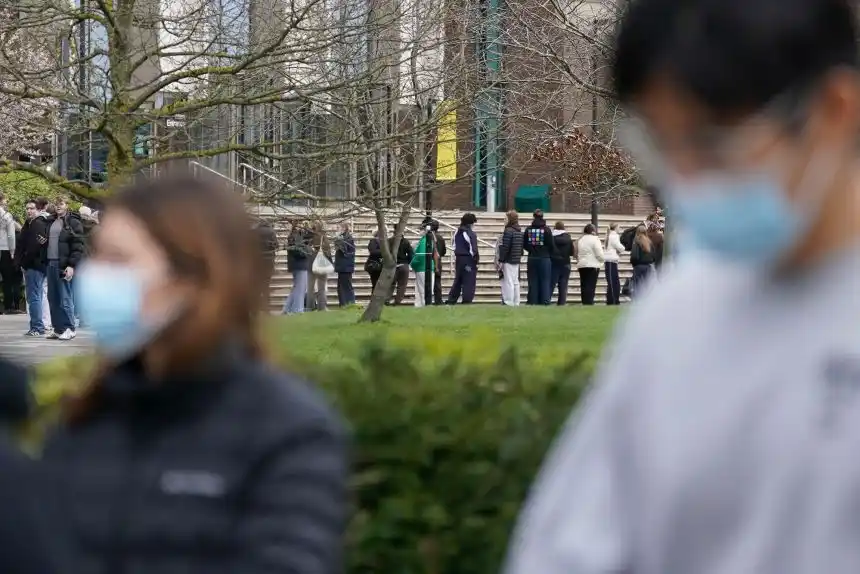
Health officials are investigating a serious meningitis outbreak in the Canterbury area of Kent, with students among those affected, and public health teams are carrying out contact tracing, preventive antibiotic work, and targeted vaccination.
The Canterbury meningitis outbreak has prompted understandable concern locally, particularly among students, parents and staff at schools and universities. This explainer sets out what has been confirmed or reported by the UK Health Security Agency (UKHSA), BBC reporting, and university-linked updates in the supplied material, as well as what remains under investigation.
This article is public information only. Anyone worried about symptoms or a possible exposure should use official NHS or UKHSA guidance and seek medical help through the appropriate health services.
What has been confirmed about the Canterbury meningitis outbreak?
According to a UKHSA update on the March 2026 Kent outbreak, health officials are responding to a meningococcal disease outbreak, specifically MenB, in Kent. UKHSA said meningococcal disease is serious and can lead to meningitis or sepsis.
The UKHSA update said the outbreak involved rapid case emergence, with 15 new cases in 48 hours, and that two people had died. It also said preventive antibiotics were offered to close contacts and at-risk groups, alongside a targeted vaccination programme for those affected.
BBC reporting described the outbreak in the Canterbury area as unprecedented, citing health chiefs, and said there were 15 confirmed cases. The BBC also reported that UKHSA had declared a national incident to coordinate resources.
Separate BBC video reporting, as summarised in the supplied material, referred to the deaths of a 21-year-old university student and a sixth-form pupil, and said cases had risen rapidly. That report described the increase to 20 cases in just over a week as unusual, while also saying experts did not believe the outbreak posed a risk of widespread transmission comparable with Covid-19.
Because the supplied sources give different figures at different points, the clearest way to read them is that case numbers were changing as the public health response developed. The most cautious confirmed position from the supplied official source is that UKHSA reported a rapid cluster of MenB cases in Kent, two fatalities and ongoing investigations.
Who has been affected, and which places are linked?
The outbreak is linked in the supplied sources to students in Canterbury. BBC reporting said the two deaths included a university student and a sixth former. Another supplied report said the deceased included a student from the University of Kent and a high school student from Queen Elizabeth’s Grammar School.
The BBC video summary said the outbreak was linked to two universities and that cases began in a Canterbury nightclub. That detail should be treated as a report rather than an official conclusion in the supplied UKHSA material, which says further investigations are ongoing to understand the rapid spread.
The University of Kent is specifically named in the supplied sources. BBC reporting said a vaccination programme was being offered at the University of Kent. In contrast, another report said students at the university in Canterbury had been told to come forward for antibiotics. The BBC summary said about 5,000 students considered at risk were to be offered vaccination.
What action has UKHSA taken?
UKHSA’s supplied update describes a public health response including contact tracing, preventive antibiotics and targeted vaccination. It also says public health teams have been advising people on symptoms and that investigations are continuing.
BBC reporting said UKHSA had declared a national incident to help coordinate resources. It also reported that health authorities were providing immediate antibiotic treatment to people who had been in contact with infected individuals and offering vaccination to about 5,000 students considered at risk.
In practical terms, the response described across the supplied sources has several parts:
- Contact tracing: identifying close contacts of confirmed cases so they can be assessed and, where appropriate, offered preventive measures.
- Preventive antibiotics: offering antibiotics to close contacts and some at-risk groups to reduce the chance of further spread in an outbreak setting.
- Targeted vaccination: offering MenB vaccination to groups identified by public health teams, including students at the University of Kent, according to BBC reporting.
- Public information: advising students, staff and the wider community to be aware of symptoms and seek help promptly if concerned.
- Ongoing investigation: examining how the outbreak spread so quickly and whether particular events or settings were involved.
Why are students and contacts being contacted?
Contact tracing is a standard public health tool during outbreaks. In this case, the supplied UKHSA material says preventive antibiotics were offered to close contacts and at-risk groups. The purpose is to reduce the risk of further spread after a person has been identified as having been in close contact with a confirmed case.
UKHSA’s outbreak update also refers to targeted vaccination for those affected. BBC reporting said vaccinations were being offered to around 5,000 students at the University of Kent who were considered at risk. The supplied sources do not say that every resident in Canterbury needs antibiotics or vaccination; they describe targeted action aimed at identified contacts and groups assessed by public health officials.
This distinction matters. Being contacted by a university, UKHSA, or a public health team does not automatically mean that someone has meningitis. It may mean they have been identified as a close contact or as part of a group for whom preventive measures are being offered during the outbreak response.
Why can preventive antibiotics be offered in an outbreak?
The UKHSA material says preventive antibiotics were offered to close contacts and at-risk groups during the Kent MenB outbreak. In outbreak settings, public health teams may use antibiotics for people who have been in close contact with a confirmed case to help prevent onward transmission.
The supplied sources do not provide detailed individual eligibility criteria. Decisions about who is offered antibiotics or vaccinations are made by public health teams and clinicians using official guidance. Readers should not try to judge their own need for antibiotics based on news reports.
If official channels contact a student or resident, they should follow the instructions in that communication. If someone has not been contacted but is worried, they should use official NHS or UKHSA channels for health advice rather than relying on speculation on social media.
What symptoms have health officials highlighted?
UKHSA’s supplied update said public health measures included advising on symptoms such as high fever and a stiff neck. Another supplied report referred to fever and headache as symptoms associated with meningococcal disease.
Meningococcal disease can be serious and can lead to meningitis or sepsis, according to UKHSA. The supplied sources repeatedly stress the importance of early recognition and timely medical intervention.
Symptoms can vary, and this article cannot be used to diagnose illness. For health concerns, readers should check official NHS or UKHSA guidance and seek medical help promptly through the appropriate channels, particularly if symptoms are severe, worsening or unusual.
What is still unknown or under investigation?
Several important points remain under investigation or have only been reported, not confirmed, in the supplied official material.
| Issue | What is known from the supplied sources | Status |
|---|---|---|
| Exact number of cases | UKHSA referred 15 new cases in 48 hours. BBC reporting cited 15 confirmed cases, while a BBC video summary referred to 20 cases in just over a week. | Changing and source-dependent |
| Deaths | UKHSA said two people had died. BBC reporting said the deaths included a university student and a sixth former. | Confirmed as two deaths in supplied official material |
| Locations involved | Sources link the outbreak to Canterbury students and the University of Kent. BBC video reporting mentioned two universities and a Canterbury nightclub. | Partly reported; investigations ongoing |
| How it spread so quickly | BBC reporting described rapid spread as “explosive” and mentioned indications of a possible superspreader event linked to university social activities. | Reported; not fully established in supplied UKHSA update |
| Who should receive antibiotics or vaccination | UKHSA said preventive antibiotics were offered to close contacts and at-risk groups. The BBC said about 5,000 at-risk students were to be offered vaccination. | Determined by public health teams |
Why this matters for Canterbury
The outbreak matters because it affects a local student community and involves a serious disease that can progress quickly. It has also led to a visible public health response, including contact tracing and targeted vaccination, which may be worrying for people receiving messages from universities or health teams.
At the same time, the supplied UKHSA material says the risk to the general public remains low. That means the response is focused on those most likely to have been exposed or considered at risk, rather than on the whole population of Canterbury.
A calm response is important: follow official communications, avoid sharing unverified rumours about named individuals or locations, and use NHS or UKHSA guidance for health concerns.
Frequently Asked Questions
What is the Canterbury meningitis outbreak?
It is an outbreak of meningococcal disease, identified in the supplied UKHSA material as MenB, in Kent and, in reporting, linked to students in the Canterbury area. UKHSA said the outbreak involved rapid case emergence and two fatalities.
Who has been affected?
The supplied sources say students are among those affected. BBC reporting said the deaths included a university student and a sixth former, while other supplied material links the outbreak to the University of Kent and Queen Elizabeth’s Grammar School.
Why are University of Kent students being contacted?
Students may be contacted as public health teams trace close contacts and identify at-risk groups. BBC reporting said about 5,000 students at risk at the University of Kent were to be offered vaccination, and supplied reports said some students were told to come forward for antibiotics.
Why are preventive antibiotics being offered?
UKHSA’s supplied update says preventive antibiotics were offered to close contacts and at-risk groups. In an outbreak, this is part of a targeted public health response intended to reduce the risk of further spread among people assessed as having possible exposure.
What symptoms should people know about?
UKHSA’s supplied update referred to symptoms including high fever and a stiff neck, while another supplied report mentioned fever and headache. Anyone worried about meningitis symptoms should use official NHS or UKHSA guidance and seek medical help through the appropriate route.